15 Faceless YouTube Channel Ideas, With Episodes You Can Make Today
 ToonBlip14 min read
Contents
The faceless YouTube channel ideas that work best for beginners are story formats you can repeat every week: weird history, cons and mysteries, everyday science, true animal stories, and retold fables and myths. You never appear on camera — the narration, the pictures and the captions carry the story.
Picking the niche is the easy part. What decides whether the channel can be monetized is whether every episode tells a different story: since July 2025, YouTube’s inauthentic content rule holds back money from channels that look mass-produced from a template.
Below are 15 ideas in those five groups. Each comes with the format every episode shares, three episodes written as one sentence you can type into ToonBlip, and what to fact-check. Every group has a finished cartoon Short we made from one typed sentence.
Key takeaways
- Pick a format that repeats, not just a topic: the same structure every time, a different true story each episode.
- YouTube doesn’t monetize content that looks mass-produced from a template. A series with recurring characters is fine when each episode has its own storyline.
- Cartoon animation counts as clearly unrealistic, so it doesn’t need YouTube’s AI label. Realistic scenes of real people or events do.
- To join the YouTube Partner Program today you need 1,000 subscribers plus 4,000 watch hours in 12 months or 10 million Shorts views in 90 days. From February 1, 2027, new applicants need 8,000 hours or 20 million Shorts views.
- Before you commit to an idea, write ten episode titles for it. If you can’t, pick another one.
How we picked these ideas
We kept ideas that pass four tests: they can run for 50 episodes or more without repeating; each episode rests on facts you can check in an encyclopedia, a museum’s site or a good history book; they work as 30- to 90-second narrated cartoons, with no face or voice of your own; and they stay clear of what YouTube restricts — graphic violence, children in danger, and claims about real people alive today.
Every group below has a sample we made with ToonBlip from the sentence shown under it. We don’t quote view counts or earnings for these niches, because YouTube doesn’t publish them and the numbers that circulate online have no source.
All 15 ideas at a glance
| Idea | What every episode repeats | Best length | Example episode |
|---|---|---|---|
| History | |||
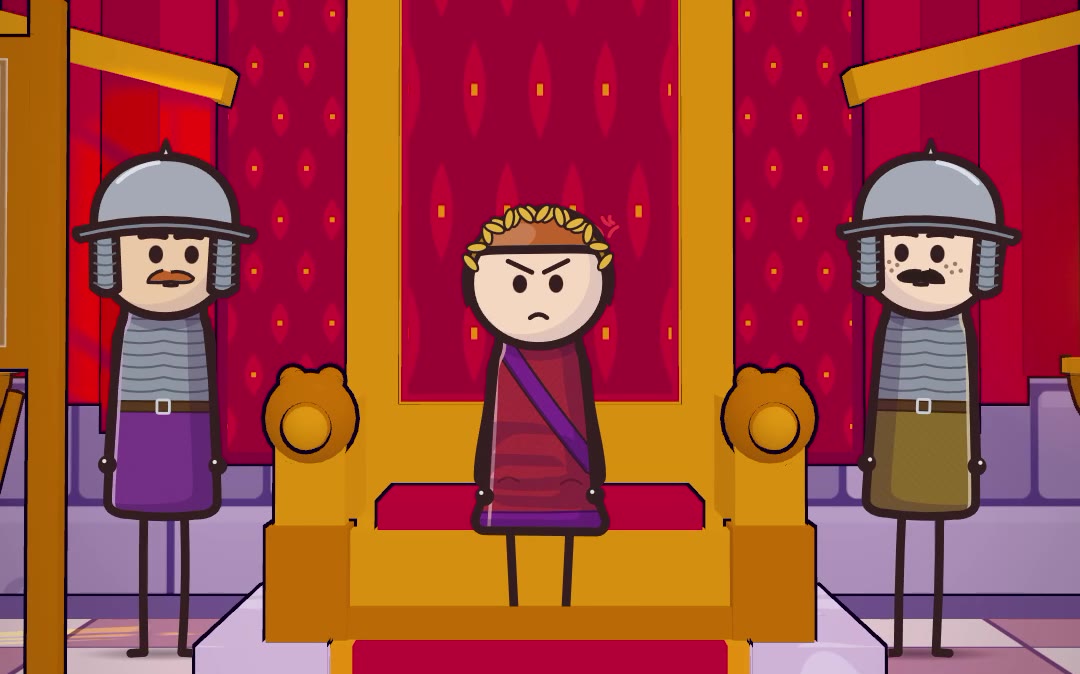
| Weird rulers | who the ruler was, the strange thing, why they did it, and how it ended. | 60 s | “Emperor Caligula planned to make his horse a consul” |
| Strange laws and taxes | the law, the reason behind it, the clever way people got around it. | 60 s | “England taxed windows, so people bricked them up” |
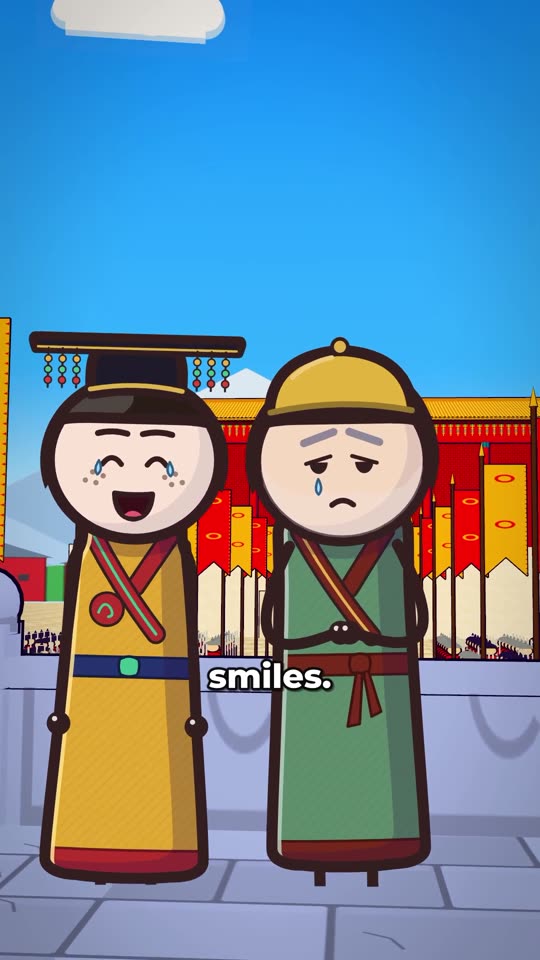
| Decisions that changed history | the situation, the decision, the consequence nobody expected. | 60 s | “King You of Zhou lit the war beacons as a joke and lost his kingdom” |
| Weird & Mysteries | |||
| Great cons and hoaxes | the setup, how the con worked, the moment it fell apart. | 60 s | “The man who sold the Eiffel Tower twice” |
| Unsolved mysteries | what was found, what doesn’t add up, the two leading explanations. | 60 s | “The Mary Celeste was found sailing with nobody aboard” |
| Unbelievable but true | the claim, the proof, the detail that makes it even stranger. | 30 s | “A Swedish town is moving three kilometers because the mine under it is spreading” |
| Science & Why | |||
| Everyday whys | the question, the surprising cause, a picture of how it works, one-line takeaway. | 30 s | “Why do onions make you cry?” |
| Your body is weird | the strange thing, what your brain or body is doing, why it helps. | 30 s | “Why you can’t remember being a baby” |
| Accidental discoveries | what they were trying to do, the accident, what it became. | 60 s | “A melted chocolate bar in an engineer’s pocket led to the microwave oven” |
| Animal Stories | |||
| Loyal animals | the bond, the separation, what the animal did, how the town remembers it. | 60 s | “The dog who waited at the train station every day” |
| Animals with jobs | the job, the moment the animal proved itself, what happened to it. | 60 s | “Oscar the nursing home cat” |
| Why animals do that | the behaviour, the myth people believe, the real reason. | 30 s | “Why do cats purr when they’re scared?” |
| Fables & Legends | |||
| Fables retold | the character, the temptation, the mistake, the moral. | 60 s | “The emperor’s new clothes” |
| Legends behind everyday things | the everyday thing, the legend of how it started, what historians actually know. | 60 s | “How dancing goats led to the discovery of coffee” |
| Myths in a minute | the god or hero, the warning, the choice, the price. | 60 s | “Pandora opened the one jar she was told never to open” |
History
History Shorts start with a built-in hook: a real person did something that sounds made up. Keep each episode to one person and one moment, and end on what happened next.
Made with ToonBlip from one sentence · 58 s
“Roman emperor Vespasian taxed public urinals, and his son complained”
Make one like thisWeird rulers
Kings, queens and emperors who believed, banned or built something strange. It suits viewers who like history but skip the textbook version.
Every episode: who the ruler was, the strange thing, why they did it, and how it ended.
- Emperor Caligula planned to make his horse a consul Make this episode →
- Peter the Great made Russian men pay a tax to keep their beards Make this episode →
- King Charles VI of France believed he was made of glass Make this episode →
Fact-check: Ancient sources often disagree, so say “according to the historian Suetonius” instead of stating it as fact. Check dates on Britannica.
Best length: 60 seconds
Strange laws and taxes
Real laws that sound like jokes, and what people did to dodge them. It works because every viewer pays taxes and hates them.
Every episode: the law, the reason behind it, the clever way people got around it.
- England taxed windows, so people bricked them up Make this episode →
- Roman emperor Vespasian taxed public urinals, and his son complained Make this episode →
- England once taxed every fireplace, so inspectors came to count them Make this episode →
Fact-check: Check when the law started and ended. Some famous “weird laws” lists are made up — use a government or museum source.
Best length: 60 seconds
Decisions that changed history
One choice, one moment, and the kingdom or career that turned on it. Good for viewers who like “what would you have done?” stories.
Every episode: the situation, the decision, the consequence nobody expected.
- King You of Zhou lit the war beacons as a joke and lost his kingdom Make this episode →
- Song Taizu took away his generals’ armies at a single wine banquet in 961 Make this episode →
- Cincinnatus left his plow to save Rome, then gave up total power after 16 days Make this episode →
Fact-check: Separate the record from the legend: the beacon story, for example, comes from later histories. Say so in one line.
Best length: 60 seconds
Weird & Mysteries
Mystery and con stories hold attention because the viewer wants to know how it ends. Keep them historical: real people who are long gone, and no accusations about anyone alive.
Made with ToonBlip from one sentence · 55 s
“The man who sold the Eiffel Tower twice”
Make one like thisMore Weird & Mysteries examples →
Great cons and hoaxes
Swindlers who fooled cities, newspapers and investors. Viewers love the nerve of it, and every con has a clear twist.
Every episode: the setup, how the con worked, the moment it fell apart.
- The man who sold the Eiffel Tower twice Make this episode →
- In 1835 a New York newspaper convinced readers there was life on the Moon Make this episode →
- A Scottish con man sold land in a country that didn’t exist Make this episode →
Fact-check: Cons attract embellishment. Check the year, the names and the amounts against a newspaper archive or Smithsonian Magazine.
Best length: 60 seconds
Unsolved mysteries
Historical puzzles with no final answer. Each episode ends on the best theory and leaves the question open, which brings comments.
Every episode: what was found, what doesn’t add up, the two leading explanations.
- The Mary Celeste was found sailing with nobody aboard Make this episode →
- In 1518 hundreds of people in Strasbourg danced for days and couldn’t stop Make this episode →
- The lost colony of Roanoke left one word carved on a post Make this episode →
Fact-check: Present theories as theories. Don’t invent clues; the real ones are strange enough.
Best length: 60 seconds
Unbelievable but true
Short true stories with a twist that makes people check if it’s real. Lighter than mysteries, and easy to keep under a minute.
Every episode: the claim, the proof, the detail that makes it even stranger.
- A Swedish town is moving three kilometers because the mine under it is spreading Make this episode →
- A cat was the honorary mayor of an Alaska town for 20 years Make this episode →
- Farmers digging a well in China found an army of clay soldiers Make this episode →
Fact-check: Find the original news report or the official site, not a list article that copied it.
Best length: 30 seconds
Science & Why
“Why does…?” questions are what people already type into search. Answer one question per Short, in plain words, with one picture for each step of the explanation.
Made with ToonBlip from one sentence · 29 s
“Why do onions make you cry?”
Make one like thisEveryday whys
The science behind things everyone notices but nobody explains. It suits curious viewers of any age.
Every episode: the question, the surprising cause, a picture of how it works, one-line takeaway.
- Why do onions make you cry? Make this episode →
- Why does your stomach growl? Make this episode →
- Why is yawning contagious? Make this episode →
Fact-check: Use a university or health-service page. If scientists still disagree, say “the leading explanation is…”.
Best length: 30 seconds
Your body is weird
Odd things the human body does, explained. Viewers try them while watching, which keeps them to the end.
Every episode: the strange thing, what your brain or body is doing, why it helps.
- Why you can’t remember being a baby Make this episode →
- Why your fingers wrinkle in the bath Make this episode →
- Why you can’t tickle yourself Make this episode →
Fact-check: Stay away from medical advice. Explain, don’t diagnose, and link a health-service page in the description.
Best length: 30 seconds
Accidental discoveries
Inventions and discoveries that happened by mistake. Each one is a story with a person, a mess and a payoff.
Every episode: what they were trying to do, the accident, what it became.
- A melted chocolate bar in an engineer’s pocket led to the microwave oven Make this episode →
- Alexander Fleming left a dish out before his vacation and found penicillin Make this episode →
- A chemist forgot to wash his hands and discovered the first artificial sweetener Make this episode →
Fact-check: Many “accidental” stories are tidied up later. Check the year and the person on Britannica or the inventor’s museum.
Best length: 60 seconds
Animal Stories
True animal stories get shared because they make people feel something in under a minute. Tell the animal’s story, not a lecture about the species.
Made with ToonBlip from one sentence · 31 s
“The dog who waited at the train station every day”
Make one like thisMore Animal Stories examples →
Loyal animals
Real animals that waited, searched or travelled for their people. The most emotional idea in this list, and the easiest to make a series of.
Every episode: the bond, the separation, what the animal did, how the town remembers it.
- The dog who waited at the train station every day Make this episode →
- A little dog named Bobby guarded his owner’s grave in Edinburgh for 14 years Make this episode →
- A lost cat walked nearly 200 miles across Florida to get home Make this episode →
Fact-check: Famous animal stories grow over time. Use the local museum or a newspaper report from the time.
Best length: 60 seconds
Animals with jobs
Cats, dogs and goats that worked: in hospitals, train stations, armies and farms. Funny and warm at the same time.
Every episode: the job, the moment the animal proved itself, what happened to it.
- Oscar the nursing home cat Make this episode →
- A cat named Tama became the stationmaster of a Japanese train station Make this episode →
- Goats are hired to eat weeds in city parks Make this episode →
Fact-check: Check names and dates with the station, hospital or city that employed the animal.
Best length: 60 seconds
Why animals do that
The reasons behind odd animal behaviour. A good second series for an animal channel, and short enough for 30 seconds.
Every episode: the behaviour, the myth people believe, the real reason.
- Why do cats purr when they’re scared? Make this episode →
- Why fainting goats fall over when they’re startled Make this episode →
- Why do dogs tilt their heads when you talk? Make this episode →
Fact-check: Use a veterinary school or zoo page. Where the answer is unknown, say so.
Best length: 30 seconds
Fables & Legends
Old fables, folk tales and myths are free to retell, and their audience never runs out. The work is in the retelling: a fresh angle, a modern punchline, a clear moral.
Made with ToonBlip from one sentence · 59 s
“the emperor's new clothes”
Make one like thisMore Fables & Legends examples →
Fables retold
Classic fables told in a minute, with the moral said out loud at the end. Families and teachers watch these.
Every episode: the character, the temptation, the mistake, the moral.
- The emperor’s new clothes Make this episode →
- The goose that laid golden eggs Make this episode →
- Stone soup: travellers trick a village into sharing dinner Make this episode →
Fact-check: Retell public-domain versions (Aesop, Andersen, folk tales), not a recent book or film.
Best length: 60 seconds
Legends behind everyday things
The stories people tell about where coffee, tea or cheese came from. Half history, half legend, and you say which half is which.
Every episode: the everyday thing, the legend of how it started, what historians actually know.
- How dancing goats led to the discovery of coffee Make this episode →
- The legend of how tea was discovered when leaves fell into an emperor’s boiling water Make this episode →
- A shepherd left his lunch in a cave and came back to blue cheese Make this episode →
Fact-check: Label the legend as a legend, then give one line of real history.
Best length: 60 seconds
Myths in a minute
Greek myths told fast, with the lesson they still teach. Endless material, and viewers already half-know the names.
Every episode: the god or hero, the warning, the choice, the price.
- Pandora opened the one jar she was told never to open Make this episode →
- Narcissus fell in love with his own reflection Make this episode →
- Sisyphus cheated death and was made to push a boulder forever Make this episode →
Fact-check: Myths have several versions. Pick one and say where it comes from (Hesiod, Ovid).
Best length: 60 seconds
One idea, worked through: a weird-rulers channel
Here is how to go from an idea to the first two episodes, using the “Weird rulers” idea above. The channel name and episode list are examples made for this guide.
1. Say what the channel is in one line
“Strange Royals: one true story a week about a ruler who believed, banned or built something strange.” If you can’t say it in one line, the viewer won’t understand it in three seconds either.
2. Write ten episodes before you start
This is the cheapest test of an idea. If ten come easily, there are fifty more.
- King Charles VI of France believed he was made of glass
- Emperor Caligula planned to make his horse a consul
- Peter the Great made Russian men pay a tax to keep their beards
- King Ludwig II of Bavaria built fairy-tale castles until his ministers removed him
- Joshua Norton declared himself Emperor of the United States in 1859
- Queen Christina of Sweden gave up her throne and moved to Rome
- King Henry VIII’s Groom of the Stool was one of the most powerful men at court
- Emperor Nero is said to have played music while Rome burned, but did he?
- King Frederick William I of Prussia collected the tallest soldiers in Europe
- Empress Wu Zetian became the only woman to rule China as emperor
3. Build episode one on a simple shape
A Short has room for four beats: a hook in the first line, the strange fact, why it happened, and what came next. For Charles VI that is: “The King of France was afraid of one thing — shattering.” → he believed his body was glass and had iron rods sewn into his clothes → historians link it to the mental illness he suffered for thirty years → France was ruled by quarrelling relatives while he hid from bumps.
The sample below was made from the single sentence “King Charles VI of France believed he was made of glass”. ToonBlip wrote the script, chose the shots and kept the king looking the same in every one.
Made with ToonBlip from one sentence · 55 s
“King Charles VI of France believed he was made of glass”
Make one like this4. Title and cover text
Title: “The French King Who Thought He Was Made of Glass”. Cover text, three words at most: “MADE OF GLASS?”. The title says the story; the cover asks the question.
5. Point to episode two
End with one line about the next ruler — “Next week: the tsar who taxed beards.” Same format, a different story: that is the series YouTube’s rules describe as fine.
What YouTube won’t monetize — and what it will
On July 15, 2025, YouTube renamed its “repetitious content” policy to inauthentic content. Channels in the YouTube Partner Program can lose monetization for content that is mass-produced or repetitive. YouTube’s own examples include:
“Generic or repetitive content includes content that looks like it’s made with a template”
“AI-generated content made with generic or unoriginal templates giving the impression of mass production”
“Videos where characters are put in the same situation over and over again with the same outcome”
The same page lists what is fine: the “same intro and outro for your videos, but the bulk of your content is different”, and “a series following a set of characters across episodes”. Content made with automation or templates “must still demonstrate your creative vision”.
In practice: choose your own stories, give every episode a different true story or angle, check your facts, and don’t post near-duplicates. The tool that makes the video doesn’t change any of this — ours included.
To join the YouTube Partner Program you need 1,000 subscribers plus either 4,000 qualified watch hours in the last 12 months or 10 million qualified Shorts views in the last 90 days. From February 1, 2027, new applicants need 8,000 qualified watch hours in the last 365 days or 20 million qualified Shorts views in the last 90 days, still with 1,000 subscribers; channels already in the program aren’t affected.
Do you need YouTube’s AI label?
| What’s in the video | Needs the label? |
|---|---|
| Cartoon or animated story, like the samples in this guide | No. YouTube treats clearly unrealistic content as exempt; its example is an animated missile in a fully animated video. |
| AI used for the script, title, thumbnail or captions | No. YouTube counts this as production help. |
| A realistic scene that didn’t happen, or a real person shown saying or doing something they didn’t | Yes, turn on the label when you upload. |
| Altered footage of a real event or place | Yes. |
Checked against YouTube Help on November 15, 2026.
Making these episodes with ToonBlip
ToonBlip turns one sentence into a finished 30-, 60- or 90-second cartoon Short. It writes the script, voices it in English, animates every line with the same characters from shot to shot, and adds word-by-word captions and sound. You download a 1080×1920 MP4 with a title, description and hashtags ready to paste. Each video gets its own cast of characters.
- Type one sentence — any episode line in this guide works as it is.
- Leave the length on Auto to fit the story, or pick 30, 60 or 90 seconds.
- Download the MP4 and paste the title and hashtags into YouTube, TikTok or Instagram.
What it doesn’t do (yet)
- Narration is English only.
- There is one art style, Classic cartoon.
- It isn’t a timeline editor: you can’t move shots around after the video is made.
- It won’t make videos about living people, current politics or graphic violence.